Volt welcomes Iceland to the EU
Iceland will organise a referendum on August 29 this year to join the EU by restarting the negotiations that occurred between 2010 and 2013.
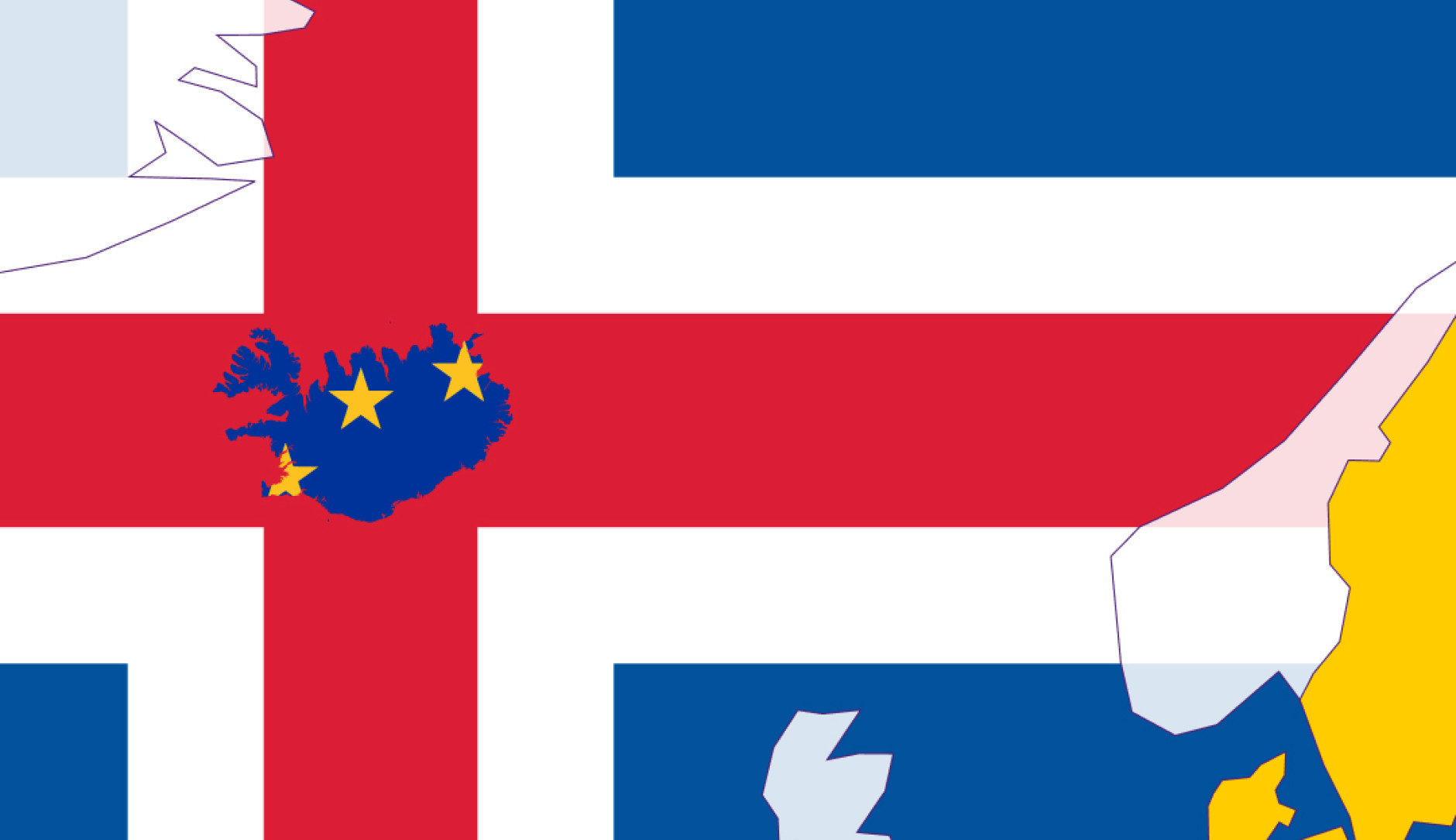
Iceland referendum is an open door to a bright future between the EU and Iceland
A positive decision will strengthen the EU, protect Iceland’s sovereignty, and open the Union to new agreements, alliances, as well as welcome new citizens into our community. The membership application of Iceland was never withdrawn, as mentioned by the European Commission's president Ursula von der Leyen in an official visit to Iceland in July 2025, even though they were temporarily put on hold in 2013. The validity of the membership application is covered in the memorandum produced by the Icelandic Ministry for Foreign Affairs.
A bit of history
On 17 July 2009, Iceland’s application for EU membership was submitted to the Council of the European Union, signed by the Prime Minister and Minister for Foreign Affairs to Sweden which was then holding the Council’s presidency. On February 24, 2010, the Commission delivered a positive advice and recommended the opening of negotiations for EU accession, which officially started in June of the same year. In 2013, due to a change in government, from a social-democratic party to a centre-right alliance whose focus lay in fear of losing fishing rights, accession talks were interrupted.
There are a total of 35 negotiation chapters that a country in the process of joining the EU goes through, organised under 6 bigger clusters, such as internal markets, competitiveness and fundamentals, like judiciary rights. At the time of interruption, 27 out of 35 chapters were opened, but out of the 27 chapters, 11 were provisionally closed (read: completed). The accession meetings took place between 2010 and 2012, with the last meeting held on 18 December 2012. In 2015, the Icelandic government asked to no longer be considered a candidate country because the government considered that the national interests were better served outside the bloc.
Why the negotiations were put on hold
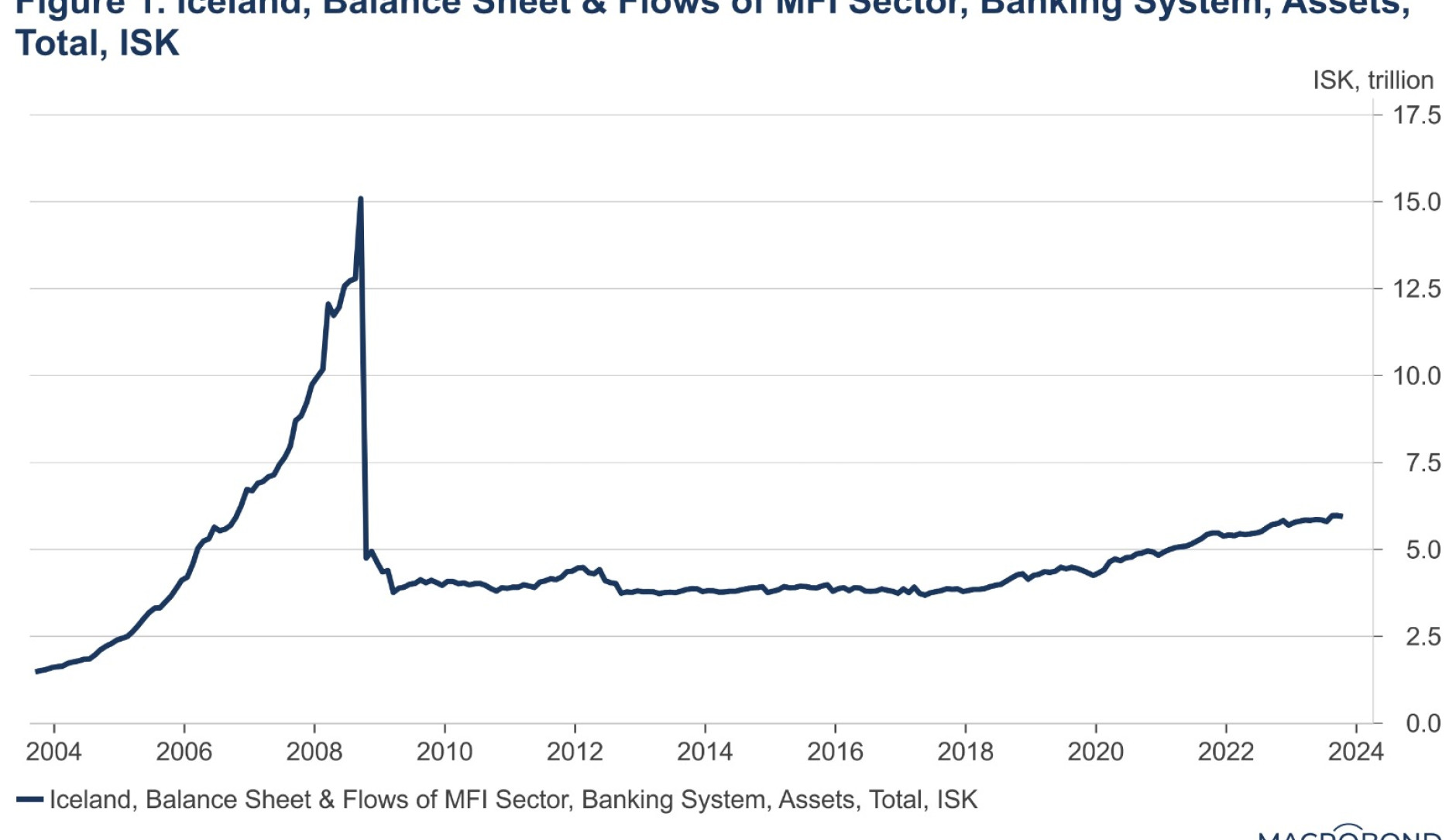
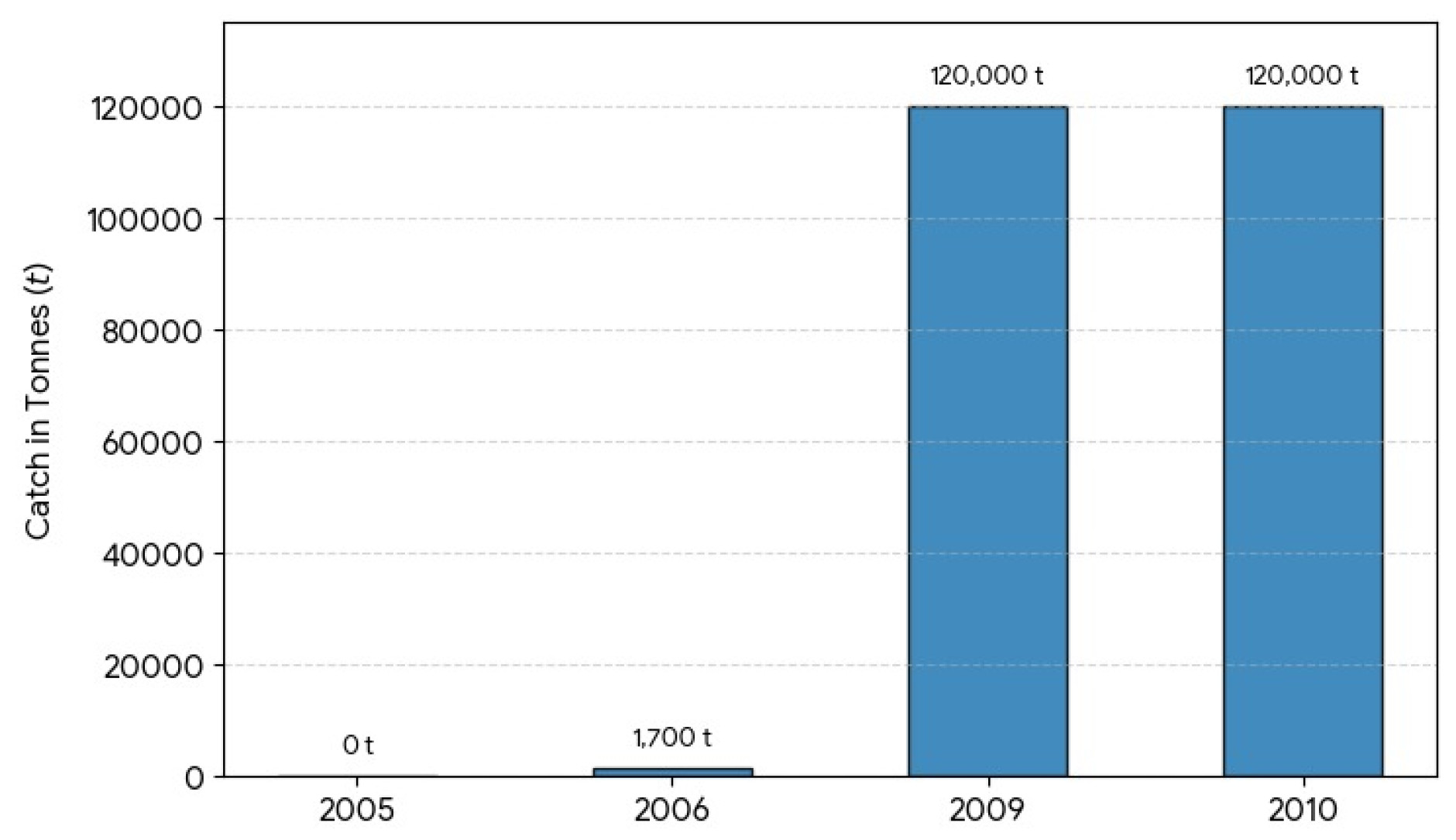
Fishing is a fundamental part of Icelandic society, and even if the issue was covered in Chapter 13, Iceland put the chapter on hold and has not submitted a negotiating position. Due to global warming, the mackerel population migrated to Iceland from Scottish and Welsh waters, which led to excessive fishing conducted by Iceland and the UK's fishing industry having greater competition. Additionally, Iceland was one of the countries in Europe most heavily affected by the 2008 financial crisis, as their main national banks collapsed. To counterbalance, it tried to compensate with an economic dominance over the surrounding international waters. Even as the accession process was stopped, Iceland maintained close cooperation with the EU. Today, the state is a member of the European Economic Area (EEA) agreement, a member of Schengen since December 2000, and a member of the European Free Trade Association (EFTA). In 2021, the government started pursuing closer interest in the EEA. The country is also a member of NATO, even though it’s the only member without a national army. It also upholds a longstanding bilateral defence agreement with the US.
Trump the second
Once Trump came to power again in January 2025, he started mentioning the strategic gains from potentially annexing the semi-autonomous Danish territory of Greenland while also confusing Iceland with Greenland. This made the Icelandic government grow progressively more worried and see itself in a potentially vulnerable position. As a consequence, Iceland is holding a referendum on August 29th, asking its citizens whether the country should reopen negotiation talks with the EU. After the Parliamentary Resolution No. 14/157 was passed on the 28th of May, the referendum question was decided to be: “Should Iceland resume accession negotiations with the European Union?” The possible answers are “Yes” and “No”. Even though formerly closed chapters will need to be reviewed again, this process is likely to happen relatively fast. It must be mentioned also that in March 2026, Iceland already signed a Security and Defence Partnership with the EU.
What’s in it for the EU?
In practical terms, the adherence of a new state to the EU presents itself as an opportunity for the Union, as almost 400 thousand people would become EU citizens, an economically performant state would join (Iceland’s GDP per capita is comparable to that of states like Luxembourg and Ireland), and a new strategic position of the bloc would be gained in the High North. One of the most fundamental elements of our Union is the possibility of more people working, travelling and fulfilling their dreams within the EU, contributing to the federal Europe we are fighting for.
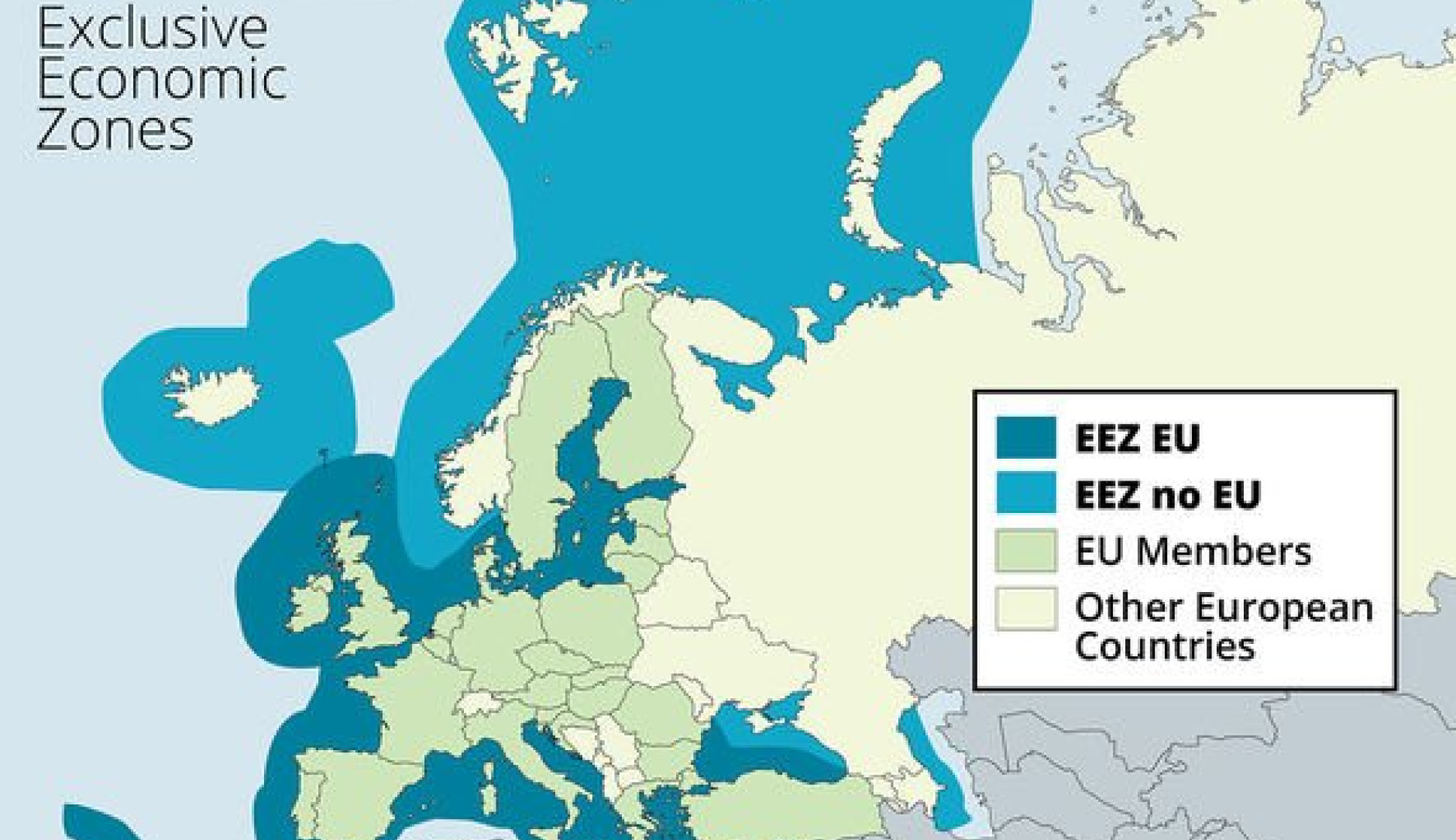
Iceland’s accession would require changes, such as adding at least 6 more MEPs to the European Parliament and Icelandic becoming the 25th official language of the bloc. The Union would also gain a significant advantage through a security lens. In the past the high north was hard to access since the strategically significant Svalbard archipelago is Norwegian territory, which is not yet an EU member. The High North is a highly important region for European security against Russia, especially since the Russian Federation holds significant nuclear deterrent assets in the Kola Peninsula.
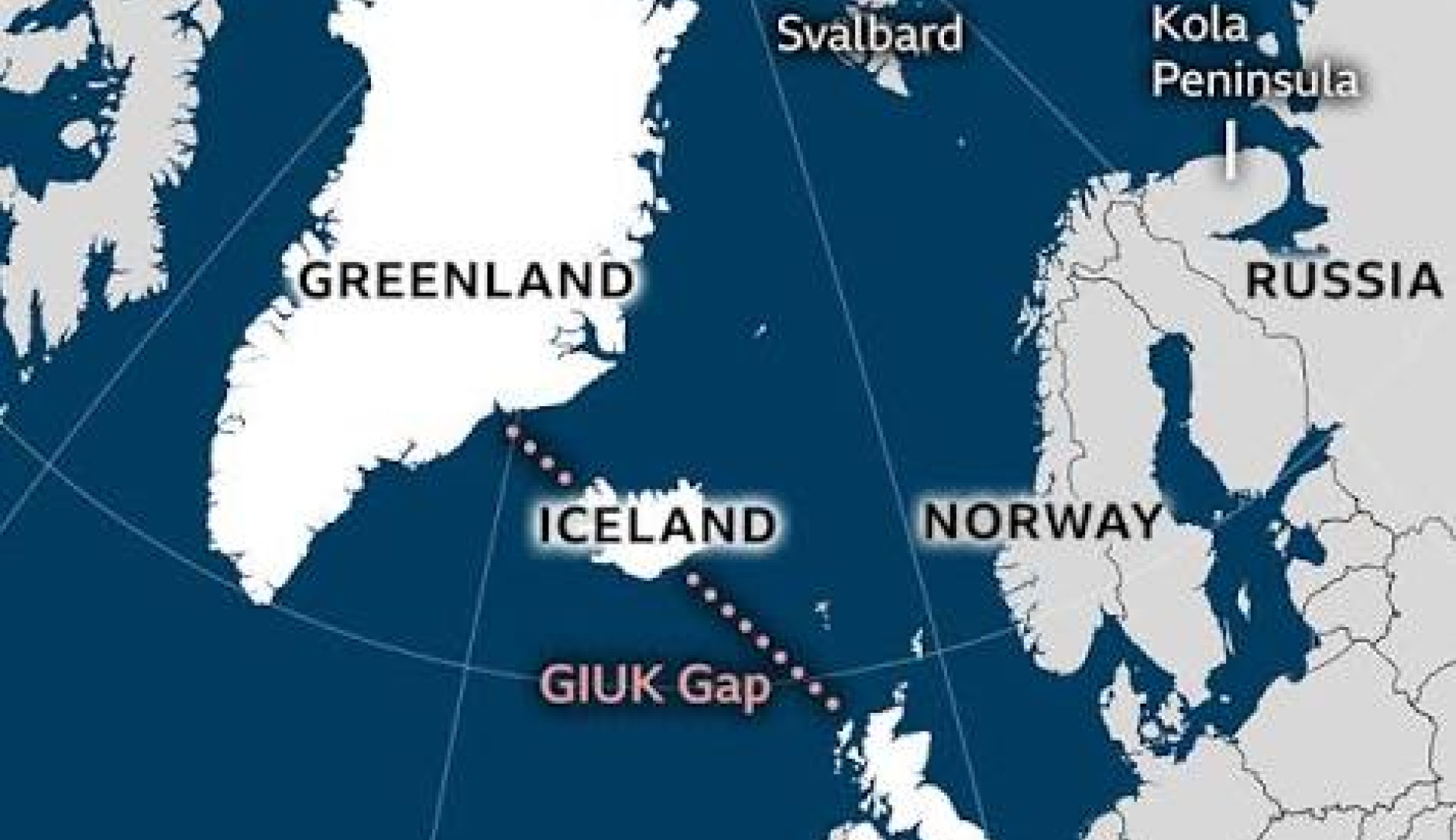
Source: https://www.bbc.co.uk/news/resources/idt-f92bc043-3893-4688-8937-fd9cad8b0d5b
Conclusion
From an Icelandic perspective, the country would lose some autonomy on the fishing rights of the nearby waters, which is a critical source of economic prosperity for the island. In times of low tourism caused by pandemics and rising living costs, this is extra painful, as Iceland is highly reliant on tourism. However, as an insular country, greater access to an international market is paramount, and further isolation is a great risk.
Pros for joining the Union – Iceland | Pros for joining the Union – the EU |
|---|---|
|
|
Cons for joining the Union – Iceland | Cons for joining the Union – the EU |
|
|
The government’s decision to halt the negotiations is yet another proof of how isolationism presented as protectionism is not the long-term answer and can stand as an example of how nationalism can stand in the way of development.
Volt welcomes Iceland to the EU. United, we can protect our sovereignty, economies, and liberal democracies. United we stand strong against outside harm, such as territorial and financial integrity breaches, and disregard for international agreements and alliances.