The next energy crisis is a choice — not a destiny
The latest tensions in the Middle East are a stark reminder that Europe’s energy vulnerability is not inevitable: it stems from our continued reliance on imported fossil fuels. One reality has become clear: Europe must accelerate electrification to strengthen its energy sovereignty.
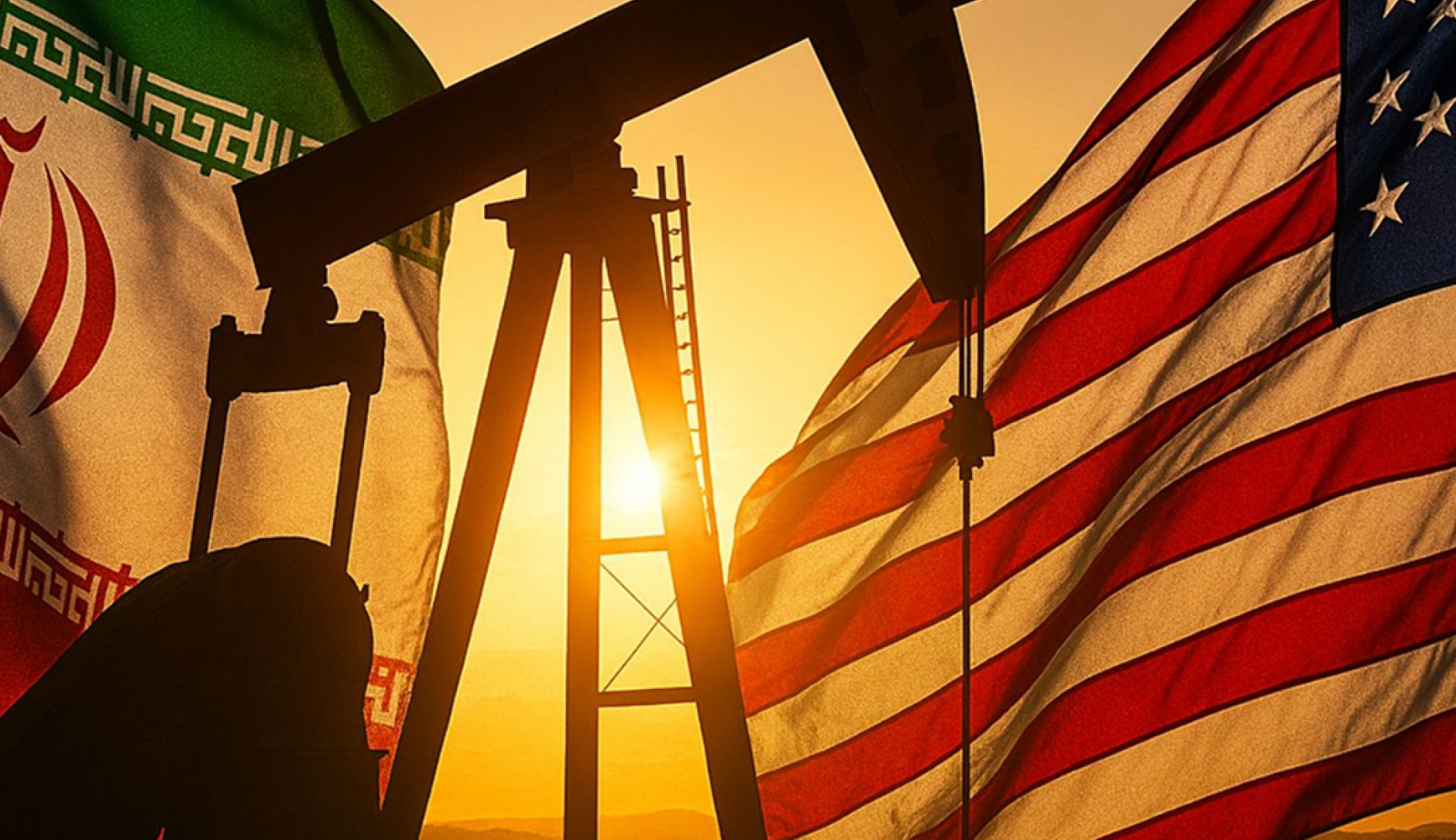
The Middle East crisis exposes Europe's fossil fuel vulnerability
The conflict involving Iran, which resumed on July 8 after fighting last spring, has repeatedly threatened shipping through the Strait of Hormuz, a critical maritime chokepoint through which roughly one-fifth of global LNG trade and one-third of global seaborne oil trade pass (IEA and UNCTAD).
On 20 July, Houthi militants announced a maritime embargo targeting Saudi Arabia, heightening fears of disruptions to Gulf oil production and exports.
This resumption of hostilities triggered a sharp surge in oil and gas prices. Brent crude peaked at around $100 per barrel on 23 July, while the Dutch TTF natural gas benchmark reached €64.4/MWh on 24 July. This episode demonstrated how exposed European economies that rely on fossil fuel imports remain to geopolitical tensions.
Why does this episode matter beyond the immediate market reaction?
First, persistent disruptions keep energy prices elevated. As energy suppliers and many industrial consumers hedge part of their purchases, the longer wholesale gas prices remain elevated, the greater the pass-through to household energy bills and business operating costs.
Second, the start of this year's gas storage refill across Europe was delayed by a prolonged winter, renewed geopolitical tensions in the Middle East, and volatility in global LNG markets. With winter approaching, Europe may have to replenish gas stocks under less favourable market conditions, increasing the risk of higher energy costs for households and businesses.
Belgium is particularly vulnerable. According to Fluxys data, its gas storage facilities were only around 31% full by the end of July.
This vulnerability is partially self-inflicted:
For more than two decades, Belgium maintained a nuclear phase-out framework adopted in 2003. While the framework was ultimately revoked in 2025, repeated uncertainty and reversals around nuclear policy discouraged investment decisions and left Belgium without a sufficiently robust replacement strategy when nuclear capacity declined. Of the country’s seven reactors, one was closed in 2022, another in 2023 and three more in 2025. The two remaining reactors have been under maintenance since April 2026, leaving Belgium temporarily without nuclear generation capacity.
In 2021, nuclear power accounted for 52.3% of Belgium’s electricity mix, according to Luminus. The renewable capacity added since then and new combined-cycle gas turbine (CCGT) projects, including ENGIE’s plant in Flémalle and Luminus’ project in Seraing, which is expected to become operational in 2027, are currently insufficient to offset this loss.
The lack of nuclear has created three major consequences for Belgium:
Loss of electricity independence, as Belgium has been a net electricity importer since 2023.
Greater exposure to higher electricity prices, as increased dependence on external markets and gas-fired generation can translate into higher costs for consumers, particularly during periods of supply tightness.
Higher greenhouse gas emissions, as periods of low renewable generation require greater reliance on either gas-fired power plants or imported electricity that is not necessarily renewable.
Europe sovereignty begins with energy sovereignty
This incident and the energy crisis triggered by Russia's invasion of Ukraine make this lesson obvious: reducing Europe’s and Belgium’s dependence on fossil fuels is an absolute necessity. Yet political action has not matched the scale of the challenge:
According to FPS Economy, Russia still accounted for 11.6% of Belgium's gas consumption in 2025, a higher share than at the start of the full-scale invasion of Ukraine, despite the EU's requirement to phase out Russian gas by 2027.
In parallel, Belgium recorded unprecedented volumes of U.S. LNG imports in 2025, reflecting Europe’s broader effort to diversify away from Russian gas supplies.
However, swapping one dependency for another is no solution. Europe’s real challenge is reducing fossil fuel imports.
Phasing out fossil fuels is not only a question of energy security. The same energy system that exposes us to geopolitical shocks is also driving a climate crisis that is already causing more frequent heatwaves, wildfires, and floods across Europe.
Reducing our dependence on fossil fuels is also an economic imperative. According to the European Central Bank, the European Union spends around €400 billion every year on fossil fuel imports. This represents a substantial transfer of wealth to fossil fuel-exporting countries and leaves the European economy exposed to global price shocks.
By investing in clean energy, we can:
Reduce inflationary pressure and protect purchasing power
Keep more spending within the European economy
Create jobs
Strengthen Europe’s long-term competitiveness
Among other things, Volt Belgium calls for:
Accelerating the deployment of clean, low-carbon energy by simplifying permitting procedures, improving grid connections and mobilising investment in renewable and nuclear capacity while reducing reliance on fossil-fuel power plants.
Strengthening Europe's electricity system through cross-border interconnections, grid modernisation, digitalisation, storage and demand-side flexibility.
Reducing fossil fuel demand through building renovation, electrification of heating, heat pumps and clean technologies, while developing European industrial capacity for strategic energy technologies.
Energy sovereignty will not come from drilling more or importing more fossil fuels. It will come from producing more clean energy, using energy more efficiently and building the infrastructure Europe needs to control its own future.
Image: Times Today BD